Advertising Around Cyprus Tourist Season: A Month-by-Month Plan
Peak season starts long before the first sunbed goes out. Here is when to launch, what to run in each phase, and how to keep the quiet months from going to waste.

If your business lives on visitors, your year has a shape: a long climb from spring, a crowded summer, a warm tail into autumn, and a quiet winter that decides how well prepared you are for the next climb. Advertising has to follow the same shape, and most accounts we audit do not. They run the same campaigns at the same budget in February and July, then wonder why July was expensive and February produced nothing.
This is the plan we use for hotels, villas and holiday rentals, restaurants and beach venues, tour and activity operators, and car hire in Cyprus. It is built on Google Search, Google Maps and Meta, with TikTok as an optional layer, and it is organised by the phase a visitor is in rather than by the platform.
Understand the three booking windows
Visitors do not decide everything at once. They pick a destination and dates first, then accommodation, then, usually on the island, everything else.
- Destination and accommodation get planned weeks to months ahead. This is where hotels, villas and rentals fight, mostly against online travel agencies and each other, and mostly in the visitor's home country.
- Activities, transport and big-ticket experiences are booked in the last fortnight before travel or in the first day or two after arrival. Car hire, boat trips, day tours and spa bookings live here.
- Restaurants, bars and daily choices are decided on the day, on a phone, usually within walking distance. This is a Google Maps and Instagram game, and it resets every time a new group of visitors lands.
Match each campaign to the window it serves and the whole plan becomes simpler.
The calendar
January to February: fix the plumbing
The quiet months are for the work that makes the season efficient. Audit last year's account and cut the campaigns that never paid. Check that conversion tracking records real bookings through your booking engine or reservation system, not just page views. Refresh creative with last summer's best photos and videos. Rebuild landing pages in the languages you actually sell to. Set your feeder market list for the year: the UK, Israel, Germany, Poland and the Nordics are the usual candidates, but your own booking data should decide.
Budget: low. Brand defence on Google Search stays on all year, because people who know your name are the cheapest customers you will ever win.
March: switch on feeder markets
Early bookers are already choosing. Launch Meta prospecting in your top two or three feeder markets with the strongest visual content you have, aimed at people who have shown travel intent. On Google, run destination-level searches in those markets ("Paphos villa with pool", "family hotel Ayia Napa") in the searcher's language. Start light and let the data tell you which market converts before you commit the bulk of the budget.
This is also when Orthodox Easter planning starts. It falls in April or early May depending on the year and it is the first real weekend of the season for restaurants and rural stays, with a large domestic audience as well as visitors.
April to May: scale what is working
Bookings are coming in and you have a month of data. Move budget toward the feeder markets and campaigns with the best cost per booking, and pull it from the rest. Add retargeting for everyone who looked at rooms, tours or menus and did not book. Restaurants and venues should switch on Google Maps and local Search now, because the first visitors are already asking their phones where to eat.
June to August: on-island demand
The visitors are here. Feeder market prospecting can ease off for accommodation that is already full, and the budget moves to the island: Maps and Search within a few kilometres of your venue, Instagram Stories and Reels aimed at people currently in Cyprus, and retargeting of anyone who has engaged in the last few days. Dayparting matters: lunch campaigns before noon, dinner campaigns from late afternoon, boat trips in the evening for the next morning.
August also brings the domestic holiday period, when many Cypriots travel within the island or abroad. Nicosia empties and the coast fills further. Restaurant advertising in Limassol, Paphos and Larnaca should assume a mostly visitor audience in these weeks and adjust language and offers accordingly.
Keep an eye on frequency on Meta. The on-island audience is small and creative fatigues fast. Rotate ads every two to three weeks rather than every quarter.
September to October: the long tail
September is one of the best months of the year for many operators: warm, less crowded, and full of visitors with more time and money per day than the July family crowd. Older travellers from Northern Europe and long-stay visitors dominate. Keep the on-island campaigns running and shift creative toward relaxed, quieter messaging. This is also when next year's early bookers start looking, so a small feeder-market brand campaign now pays for itself in spring.
November to December: residents and Christmas
The coast quietens and the audience becomes local again. Restaurants and venues should pivot to residents: Greek and English campaigns, loyalty and event-led offers, and the Christmas booking window, which for restaurants is one of the most profitable stretches of the year. Our restaurant bookings case study returned 3.32 times ad spend from exactly this period on Facebook. Hotels and rentals should test winter-sun campaigns in one or two feeder markets and otherwise conserve budget for the January rebuild.
Budget shape, not budget size
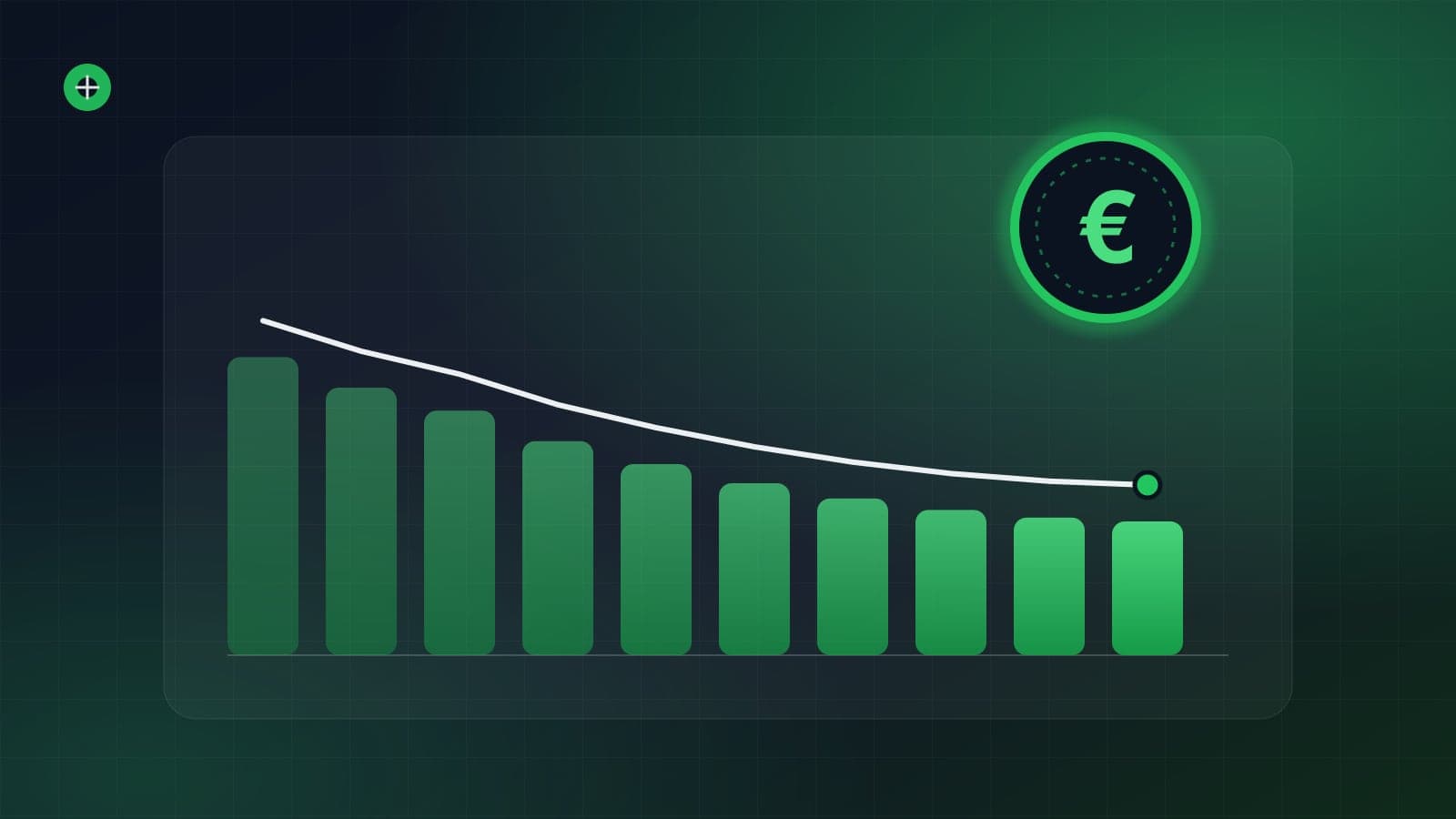
The single change that improves most seasonal accounts is moving from a flat monthly budget to a curve. A flat budget overspends in the quiet months, where there is nobody to reach, and underspends in the peak, where every extra euro has a buyer waiting. A workable starting shape for a coastal hospitality business puts roughly a tenth of the annual budget into January through March combined, builds through April and May, concentrates half or more of the year's spend between June and September, and tapers through the autumn with a small Christmas bump for restaurants. Nicosia businesses and year-round services should ignore this and run flatter.
Your own booking data will refine the curve. The point is that the shape exists at all.
What to run on each platform
- Google Search: brand defence all year; destination and accommodation terms in feeder markets from March; on-island "near me", activity and cuisine terms from May.
- Google Maps: local campaigns from April for anything a visitor walks or drives to.
- Meta: feeder-market prospecting from March; retargeting all season; on-island Stories and Reels from June; resident campaigns in winter.
- TikTok: a test layer for venues, experiences and youth-led hospitality, ideally with creator-style video shot on location. Read our TikTok Ads page before committing.
Hotels and tour operators can go deeper on the hotels and tourism page, and restaurants on the restaurant marketing page.
Measure by booking, not by click
Seasonal businesses have an advantage over most advertisers: the outcome is concrete. A booking, a reservation, a hire, a ticket. Make sure that outcome is what the platforms see. Connect the booking engine or reservation system, track calls, use unique offer codes for walk-ins, and import offline sales where you can. Then every phase of the calendar above can be judged on cost per booking rather than on impressions, and the budget curve becomes something you can prove instead of something you believe.
Send us last season's account. We will show you where the budget shape went wrong, which markets paid, and what to change before March.